
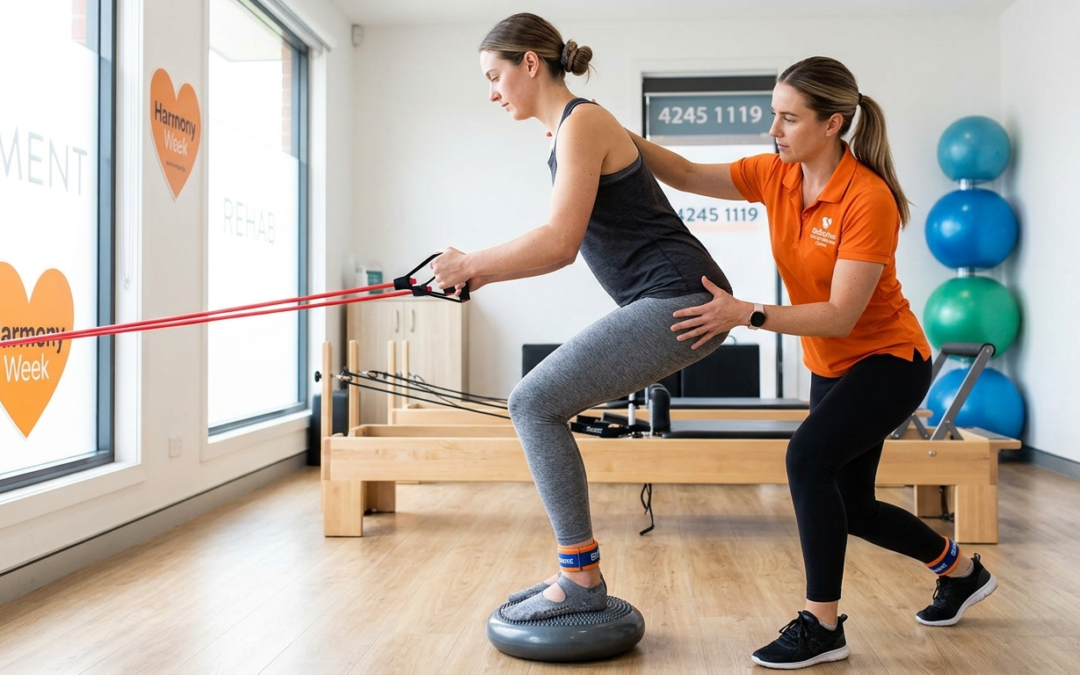
Hypermobility Spectrum Disorders (HSD) refer to a range of conditions in which individuals have symptomatic joint hypermobility that leads to musculoskeletal and/or systemic symptoms i.e. Historical HSD, localised joint hypermobility etc along with hEDS (hypermobile ehlers Danlos syndrome) which has no testable genetic link. There are many hypermobility disorders that can be linked genetically also which present similarly for example Vascular Ehlers Danlos Syndrome, Kyphoscoliotic EDS, Marfans Syndrome, Classical EDS, Osteogenesis imperfecta etc. HSD is also five times more likely to affect neurodivergent individuals.
Hypermobility Spectrum Disorders (HSD) are more common than many people realise, yet they often go undiagnosed or misunderstood. While being “double-jointed” might seem harmless or beneficial for someone like a ballerina. For many individuals hypermobility can come with persistent pain, instability, fatigue, and a higher risk of injury. No two people will have the same experience with HSD and symptoms can vary drastically.
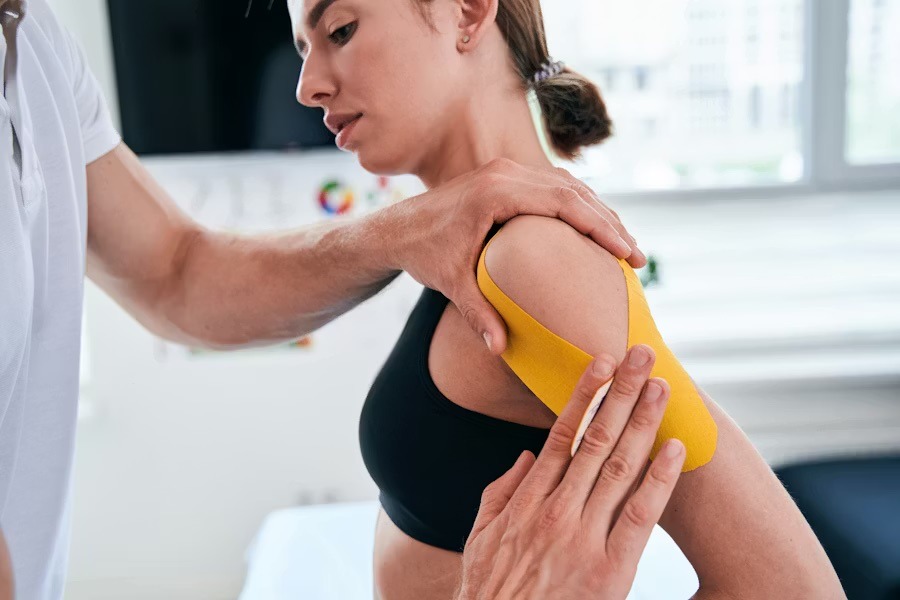
At our clinic, we work with a growing number of clients navigating HSD, and we understand that their needs are unique. Our approach focuses on improving stability, reducing pain, and helping clients move with confidence in their everyday lives. Where necessary we will also refer clients to specialists to determine if there is a genetic cause if this hasn’t been investigated prior.
Hypermobility is when joints move beyond the normal range. This increased mobility can place extra stress on muscles, ligaments, and other supporting structures. Over time, this may lead to symptoms such as:
- Ongoing joint or muscle pain
- Frequent sprains or injuries
- Subluxing joints/instability/’giving way’
- Muscular fatigue and reduced endurance
- Poor proprioception (body awareness)
- Exercise intolerance
Because symptoms can vary widely, management needs to be tailored to each individual.
Both of our osteopaths have undertaken further training in the assessment and management of hypermobility conditions. This has deepened our understanding not only of the musculoskeletal challenges, but also the broader, systemic nature of hypermobility.
We recognise that many people with HSD may also experience co-existing conditions such as:
- Mast cell activation symptoms (MCAS)
- Gastrointestinal issues ‘IBS’
- Autonomic dysfunction ‘numbness/tingling’
- POTS
- Fatigue-related conditions.
These factors can all influence pain, recovery, exercise tolerance and overall wellbeing.
By taking these into account, we aim to provide care that is more comprehensive, collaborative, and better tailored to the individual.
Osteopathy takes a whole-body approach, making it particularly well suited for managing hypermobility. Rather than focusing on just one painful area, we assess how your entire body is moving and compensating.
Here’s how we can support you:
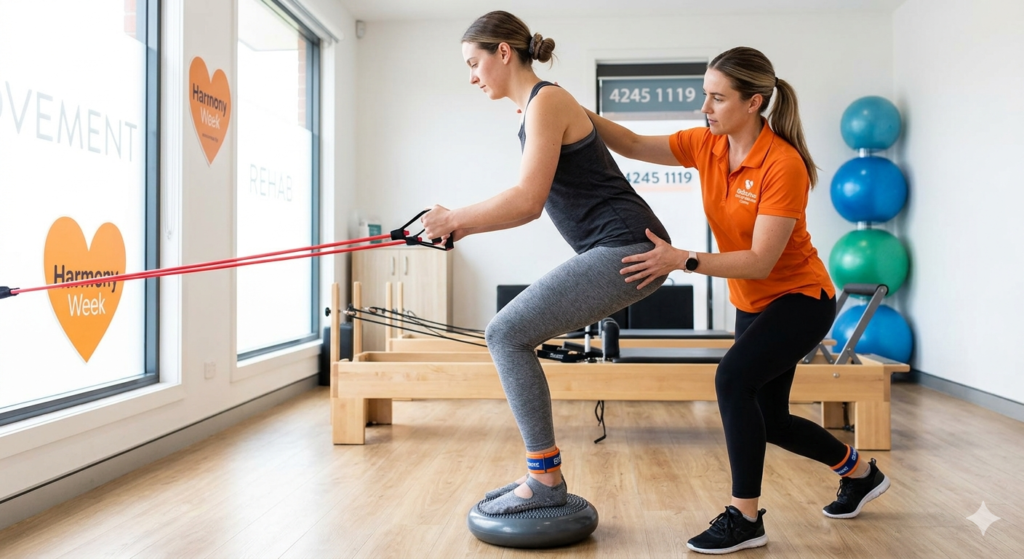
1. Improving Stability and Control
We help identify areas where your body may be relying too heavily on muscular structures surrounding affected joints. Treatment and exercise strategies aim to build strength and control around vulnerable joints. Improved awareness also assists in deficits in proprioception that often occur in individuals with hypermobility conditions, some of the exercises implemented will address this improving confidence in movement.
2. Reducing Pain and Tension
Hypermobility often leads to overworked muscles trying to compensate for joint instability. Hands-on osteopathic techniques can help relieve muscle tension, improve circulation, and reduce discomfort.
3. Personalised Management Plans
There is no one-size-fits-all approach to hypermobility. We work closely with you to develop a plan that may include manual therapy, tailored exercise programs, pacing strategies, and lifestyle advice.

We recognise that living with hypermobility can be frustrating, especially when symptoms are invisible or fluctuate day to day. Our goal is to provide clear guidance, practical strategies, and ongoing support so you can better understand your body and feel more in control of your health.
If you suspect you may have hypermobility or have been diagnosed with HSD, our team is here to help you move more comfortably and confidently. Please reach out to our team to discuss further. We are here to help! (booking link)
Peta and Chris
For more information please visit the Ehlers Danlos Society page!
https://www.ehlers-danlos.com/what-is-hsd/