

Jaw pain can sneak up on you: tightness when you wake, clicking when you chew, aching pain around your temples. Often, it comes from tension with the muscles around your jaw (temporomandibular joint/TMJ), neck and shoulders, which can make your day to day activities tough.
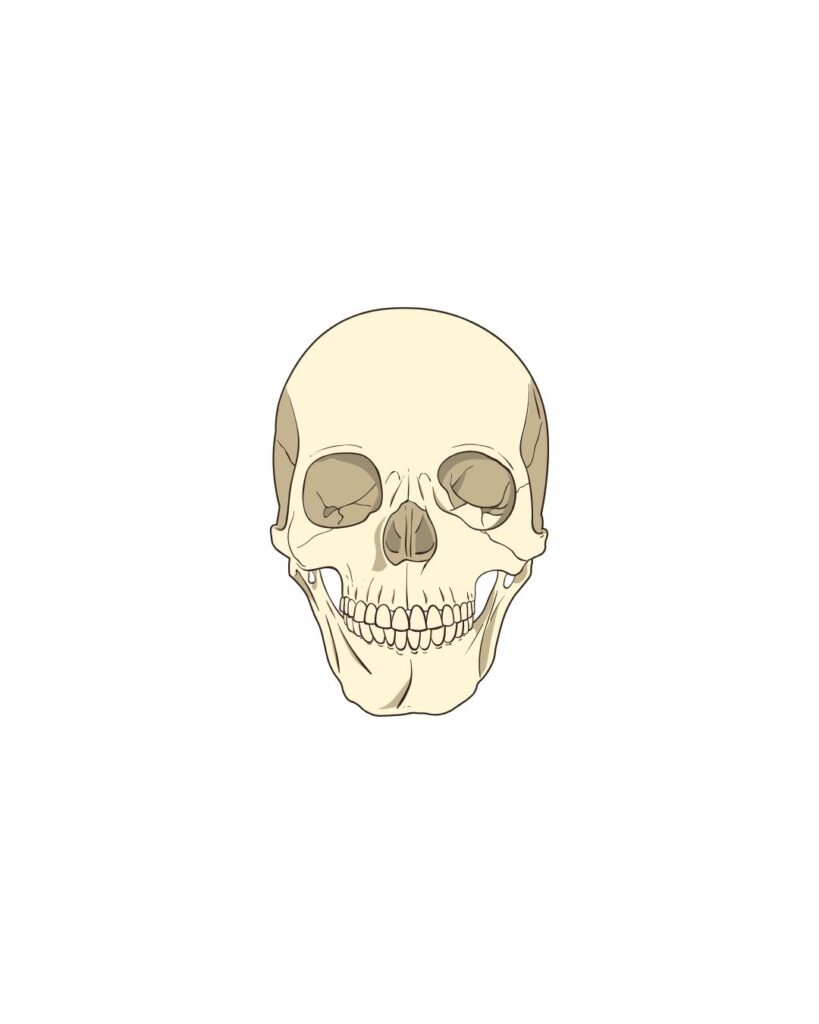
Why does Jaw pain happen?
Common triggers for jaw pain include muscle tension from stress and teeth grinding, postural habits, like forward-head carriage at your desk, injuries and dental issues. As the jaw is connected to the neck and upper back, tension in these areas can cause issues throughout the body.
How osteopathy may help.
Osteopathy looks at the whole body, not just the jaw, and what may be the root cause of your pain problem.
Osteopathic treatment may include manual techniques to relax related tight muscles, dry needling to release trigger points and ease tension, improve jaw mobility and postural advice and exercises to decrease.

Simple at home tips:
- Keep your jaw relaxed: avoid clenching or grinding.
- Rest your tongue gently on the roof of your mouth.
- Practice breathing deeply and in a relaxed way
- Reduced gum chewing
- Maintain good work station posture
When to seek help.
If jaw discomfort is affecting your daily life, an osteopathic assessment may provide relief though targeted therapy, including dry needling. Early care may prevent ongoing pain.