
When you hear the words “core strength,” what comes to mind? For most people, it’s a picture of defined, beach-ready sit-up muscles.
But as allied health practitioners, we look at the core through a completely different lens. In the clinical world, your core isn’t just one muscle group: it’s a dynamic, three-dimensional powerhouse that acts as the central anchor for your entire body.
Whether you are reaching into a cupboard, running along the Surf Coast, or lifting your toddler, your core is the unsung hero keeping you stable and pain-free.
Let’s break down what your core actually is, why it matters, and how it works.
Think of Your Core as a “Cylinder”. Instead of a flat wall of abdominal muscles, it is much more accurate to picture your core as a sturdy cylinder or box located in the center of your torso.
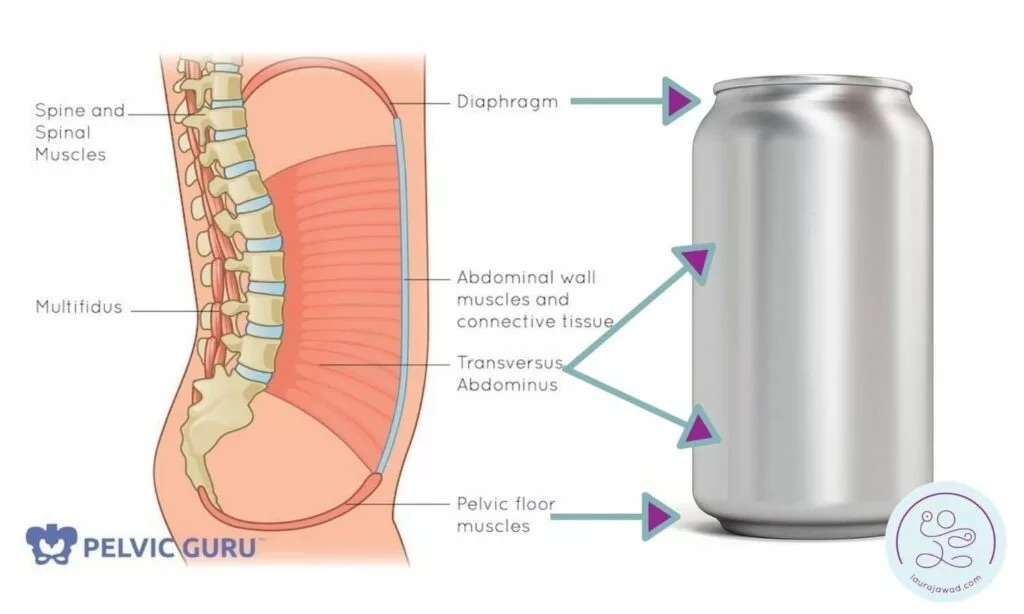
This cylinder is divided into two highly coordinated systems: The Deep Core (the stabilisers) and The Outer Core (the movers).
1. The Deep Core: Your Internal Bracing System
These are the deep, subsurface muscles. You can’t see them in the mirror, but they are responsible for segmental spinal stability. They anticipate your movements and brace your spine before you even move an arm or a leg.
- The Roof: The Diaphragm: Your main breathing muscle. It regulates pressure inside your abdomen in perfect harmony with your pelvic floor.
- The Floor: The Pelvic Floor: A hammock of muscles at the base of your pelvis that supports your internal organs and anchors the bottom of the cylinder.
- The Corset: Transversus Abdominis (TA): The deepest layer of your abs. It wraps horizontally around your midsection like a natural weightlifting belt.
- The Spine Anchors: Lumbar Multifidus: Tiny, powerful muscles that run along your vertebrae, providing precise, segment-by-segment stabilisation to your spine.
2. The Outer Core: The Powerhouse Movers
These are the larger, more superficial muscles. While they don’t stabilise individual spinal segments, they are responsible for moving your trunk, rotating your body, and transferring power between your upper and lower limbs.
- Rectus Abdominis: The famous “six-pack” muscle responsible for bending your spine forward.
- The Obliques (Internal & External): Located on the sides of your torso, these control twisting, turning, and side-bending.
- Erector Spinae & QL: Large muscles in your back that keep you standing tall and prevent your spine from buckling under a heavy load.
The Gluteals (Glutes): Yes, your glutes are part of your core! They link your lower limbs into the pelvic-lumbar unit, providing the driving force for walking, running, and jumping.
The Ultimate Core Lineup
| Core Layer | Key Muscles Included | Primary Job | Real-Life Example |
| Deep Core | TA, Multifidus, Pelvic Floor, Diaphragm | Stability & Bracing | Keeping your balance when you unexpectedly trip or slip. |
| Outer Core | Rectus Abdominis, Obliques, Glutes, Erectors | Movement & Power | Bending down to pick up laundry or swinging a golf club. |
Why True Core Strength Changes Everything
When your deep and outer core muscles work in perfect harmony, incredible things happen to your body:
- Lower Back Pain Prevention: If your deep stabilising muscles are “sleepy” or weak, your lower back vertebrae are forced to take on mechanical stress they aren’t designed for. A strong core acts as a shield for your spine.
- Enhanced Athletic Performance: Think of your core as a kinetic bridge. When you kick a football or throw a ball, the force is actually generated from the ground up through your legs. A rock-solid core ensures that energy transfers cleanly to your arms or legs without any “power leaks.”
- Better Everyday Posture & Stamina: A functional core reduces the energy it takes to simply sit or stand. If you find yourself slouching at your desk or getting a tired, achy back after standing for just 15 minutes, your core endurance likely needs a tune-up.
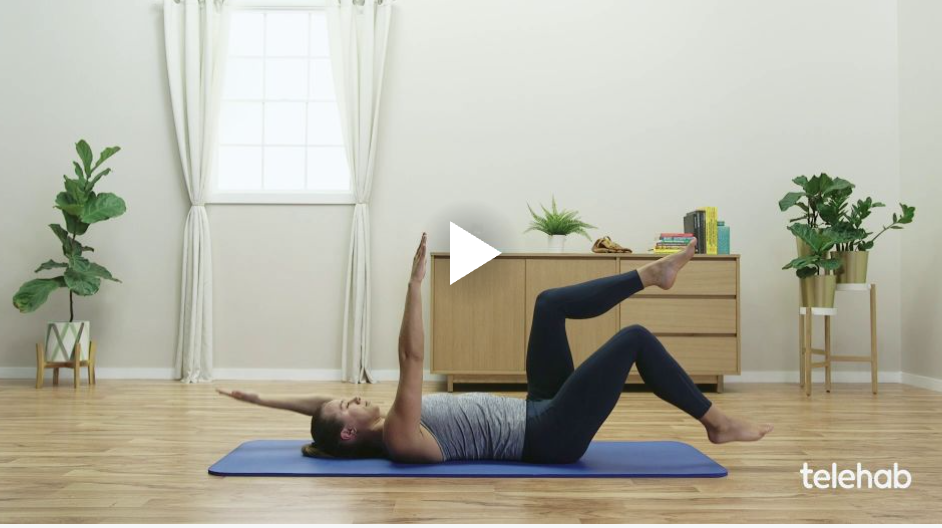
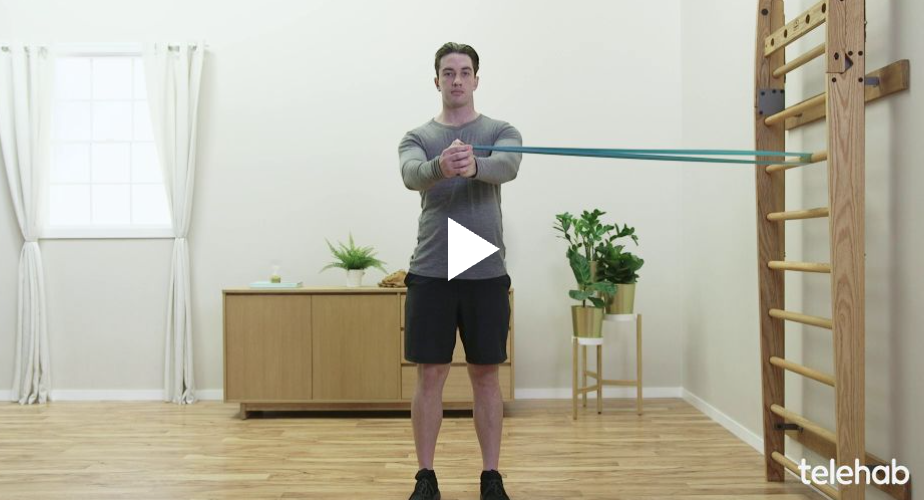
Curtesy of VALD telehab https://valdhealth.com/
How We Assess Your Core
True core strength isn’t measured by how long you can hold a plank while shaking uncontrollably. At our clinic, we look at functional control. We assess how well your muscles coordinate together during movements that mimic your real life: whether that’s lifting, bending, or breathing properly under load.
If you are struggling with nagging back pain, poor posture, or feel like your body lacks stability, we can help design a targeted, evidence-based program to get your entire “cylinder” working beautifully.
Ready to build a resilient body from the inside out?